
Metal Facade
Exterior stainless steel facade systems where the panel is a design layer, not just a skin: perforation, texture, mesh and solid forms controlling light, privacy and visual weight.
- Perforated, embossed and mesh surfaces
- Open area and pattern density set per project
- Second skins, screens and shading layers
18 results
ViewShowcase
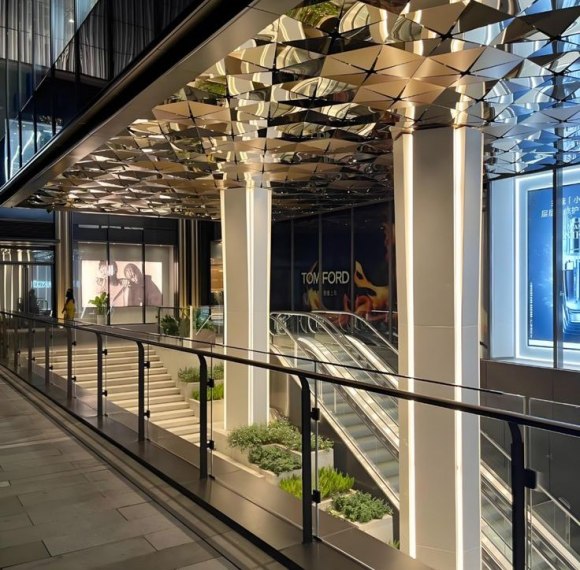
Honeycomb soffit panel for deep canopies, keeping a large underside flat without a visible frame.
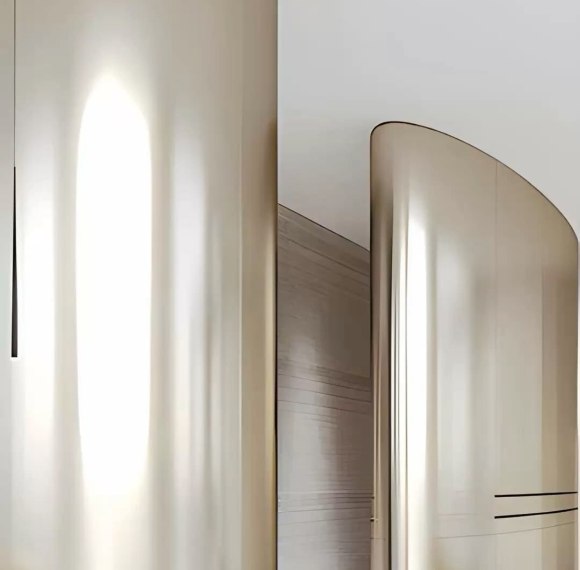
Large-format honeycomb cladding for elevations that need few joints and a continuously flat surface.
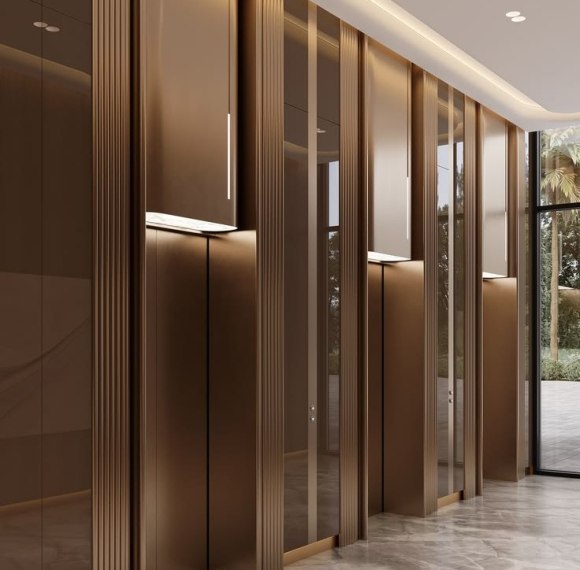
Honeycomb-backed stainless facade panel combining large format with low weight and controlled flatness.
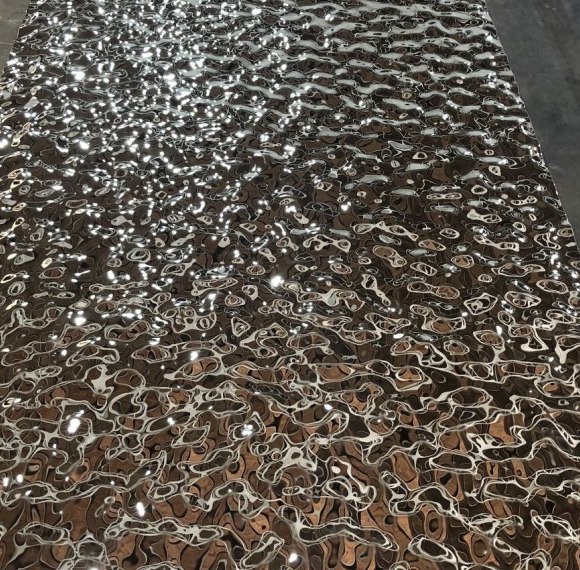
Water ripple relief applied to a facade panel, giving broad movement and changing highlights across the elevation.
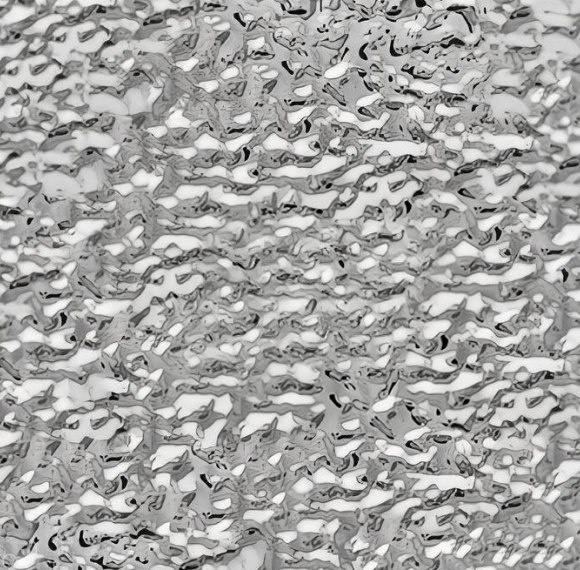
Fine-relief embossed cladding that reads as texture at close range and as a quiet sheen from across a room.
Embossed stainless facade panel with a relief formed into the sheet, breaking the plane and catching light.
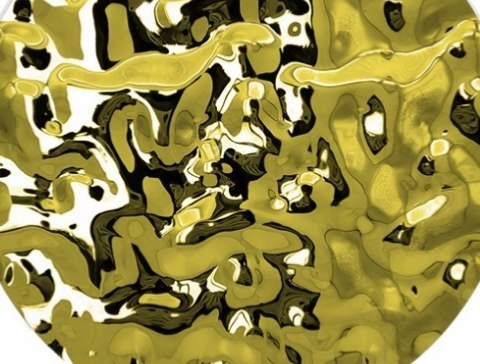
Mashrabiya geometry in PVD colour, giving a decorative screen a metallic tone that shifts with the viewing angle.
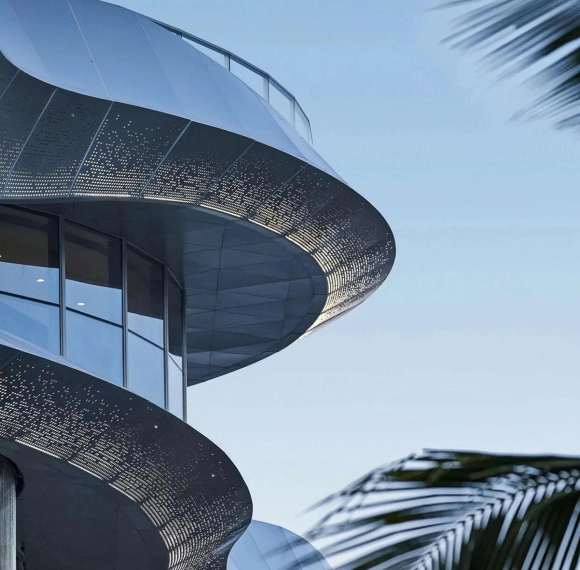
Stainless facade screen built to a project-specific geometric pattern, from repeat units to full elevation composition.
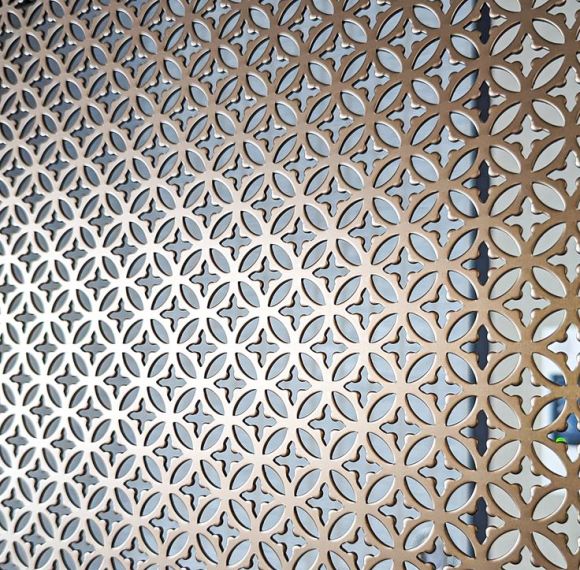
Mashrabiya-inspired stainless screen that translates traditional geometric screening into cut metal panels.
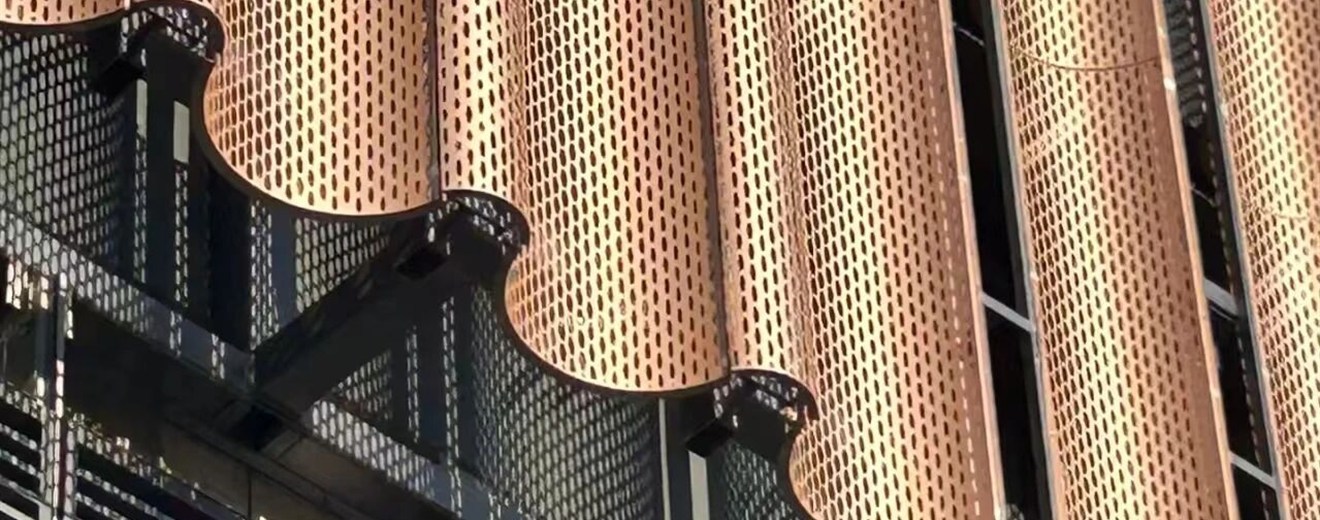
Expanded mesh in PVD colour, adding a metallic tone that deepens where the strands turn away from light.
Expanded mesh screen for interior and exterior screening, keeping airflow and light while breaking direct views.
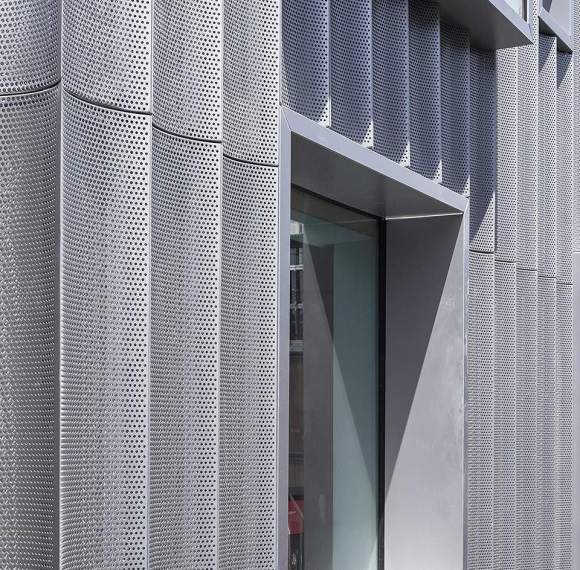
Expanded stainless mesh facade panel giving a deep open texture that reads differently by distance and angle.
Stainless cladding with a defined shadow gap, turning the joint itself into the detail instead of hiding it.
Mirror-finish flat facade cladding that lets the elevation take its appearance from sky, light and surroundings.
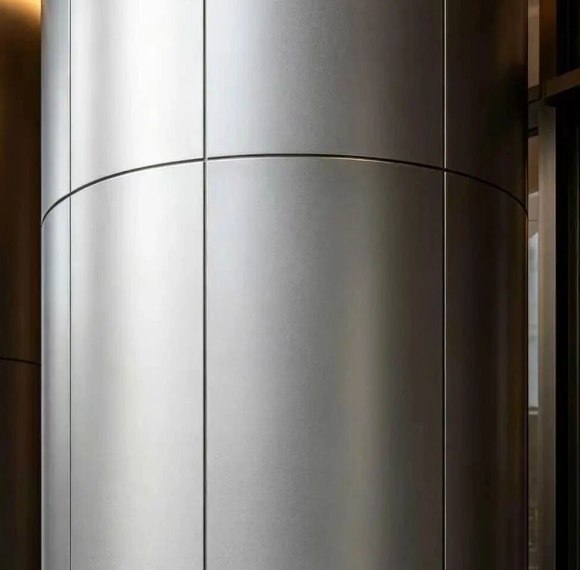
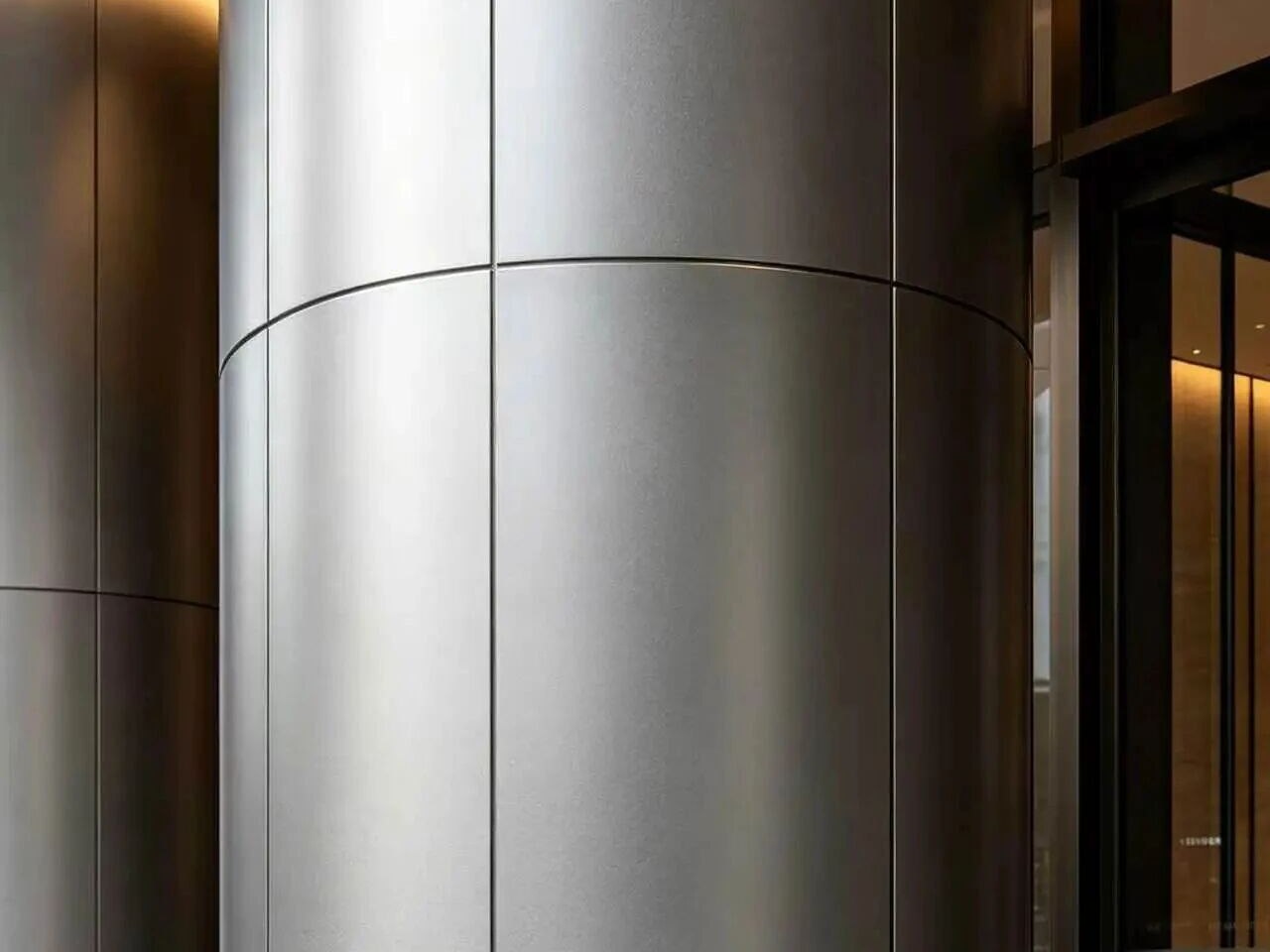
Flat stainless steel facade panel for elevations where a continuous plane and controlled joints carry the architecture.
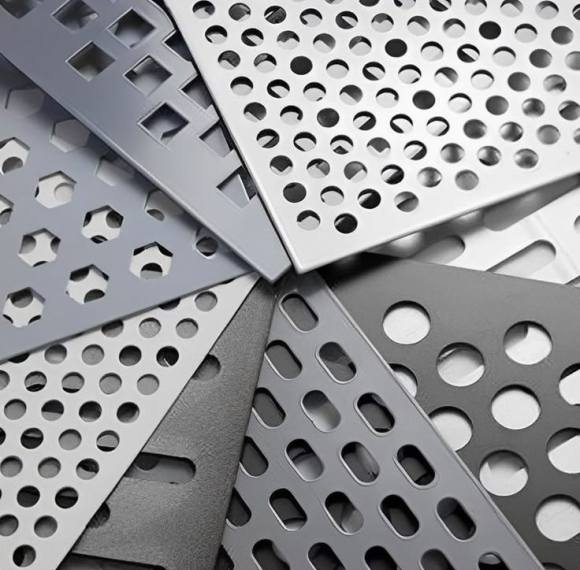
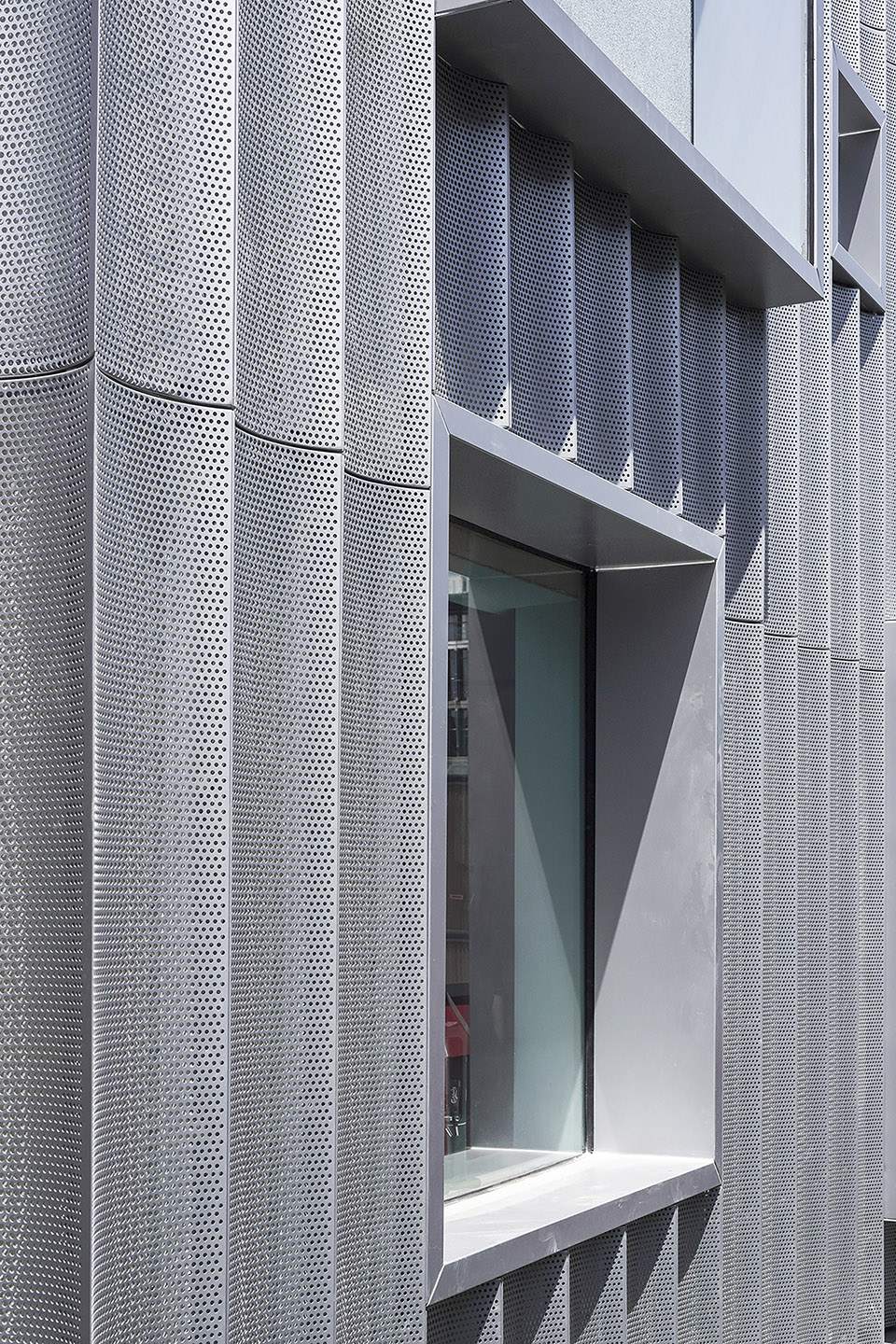
Perforated stainless steel panel made to a project-specific pattern, from geometric repeats to artwork in openings.
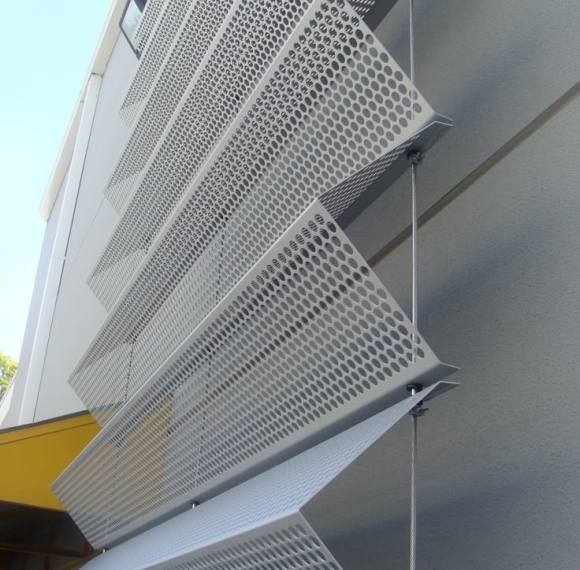
Perforated stainless steel screen used as an external shading layer, keeping visual openness while cutting direct light.
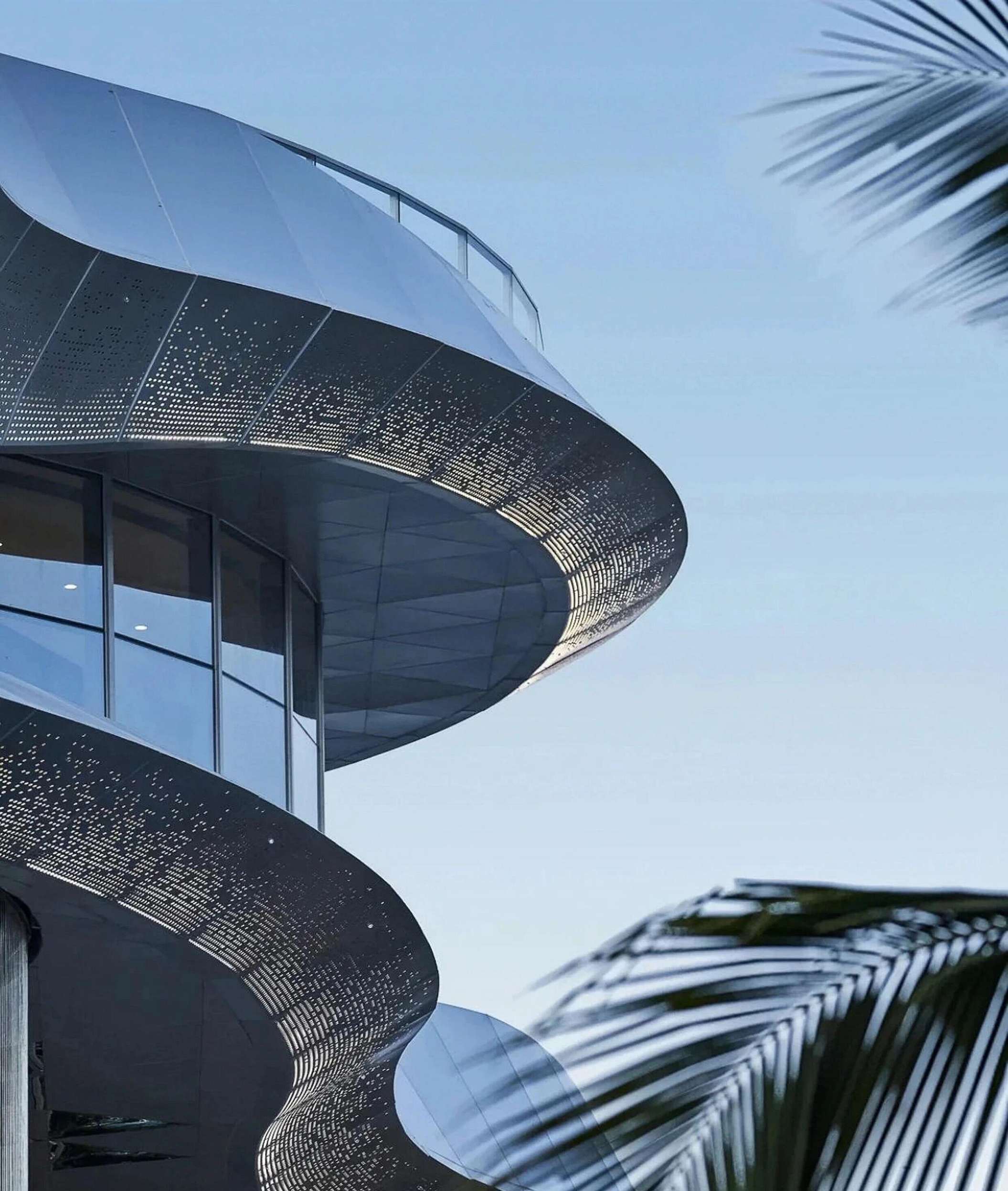
Stainless steel facade panel with a controlled perforation pattern that filters daylight, controls views and adds depth.
This range is typically specified for ventilated rainscreen and second-skin facades. Grade, surface and panel module are fixed from the drawings before production, so the finished work reads as one system rather than a set of separately sourced panels.
- Grade and exposure confirmed against the project location, with 316L recommended for coastal sites
- Panel module, joint layout and grain direction set from the project drawings
- A4 sample approved before production, so the surface is judged under real light
Contact Person