Experts in high-end stainless steel for architectural aesthetics and spatial art solutions.

EXTERIOR FAÇADE SYSTEMS

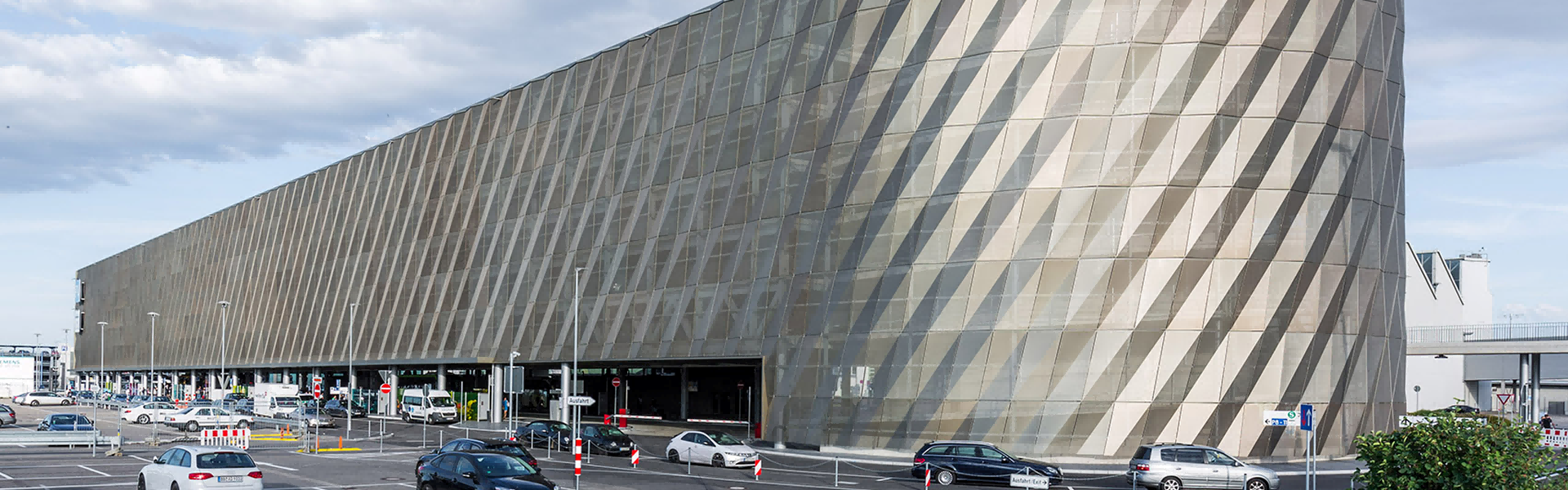
Stainless Steel Wall Panels & Façade Cladding, Engineered from Drawing to Delivery.

We handle drawing detailing, structural checks,panel fabrication and global delivery -with remote installation guidance online.Explore Exterior SystemsRequest a Quote
Home / EXTERIOR

WHY STAINLESS ENVELOPE

Why Stainless for the Building Envelope

Weathers for Decades

Graded 304/316L for coastal and de-icing salt exposure - finishes tested for outdoor aging.

Low Maintenance, Low TCO

Wipe-clean matte and Nano-AF surfaces cut lifecycle cost.

One Material, Many Textures

Mirror to matte, PVD color to perforated - from one coil.

Delivered to 60+ Countries

FOB/CIF/DDU/DDP, layer-coded crates, remote installation guidance.

Metal Roofing

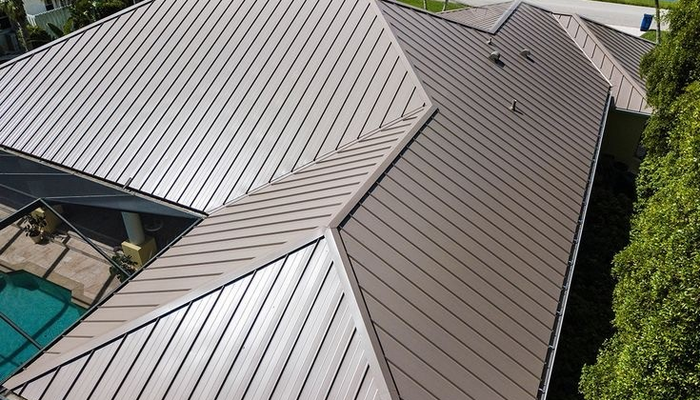
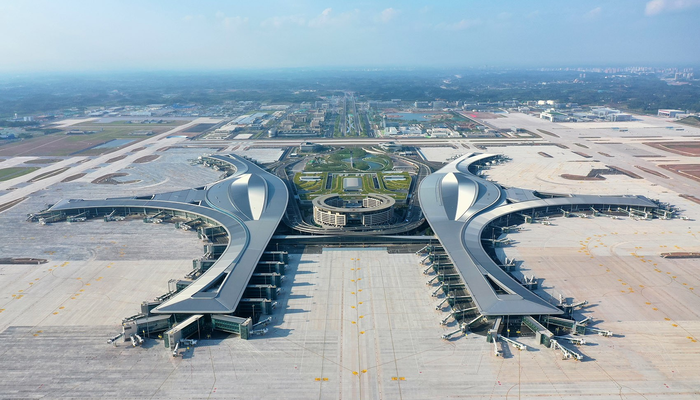
The building's roof: from standard decks to landmark spans -structurally stable, drainage-reliable metal roofing systems.

Standard Roofing

Malls, stations, factories — standard node library, pre-designed drainage slope.

Commercial Landmark Roof

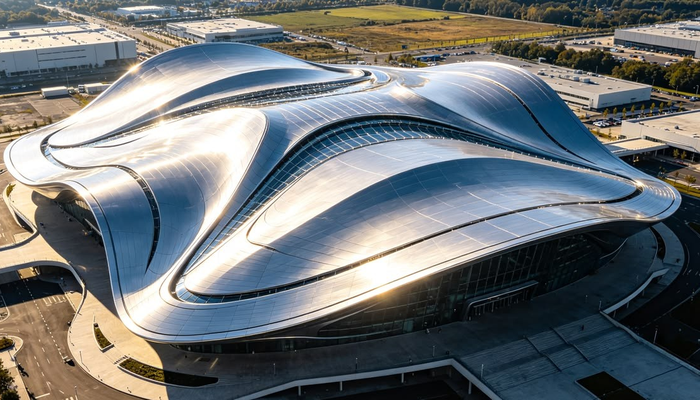
Complex-form high-end roof — DFM complex nodes, large panels with fewer seams.

Large-Span Space Roof

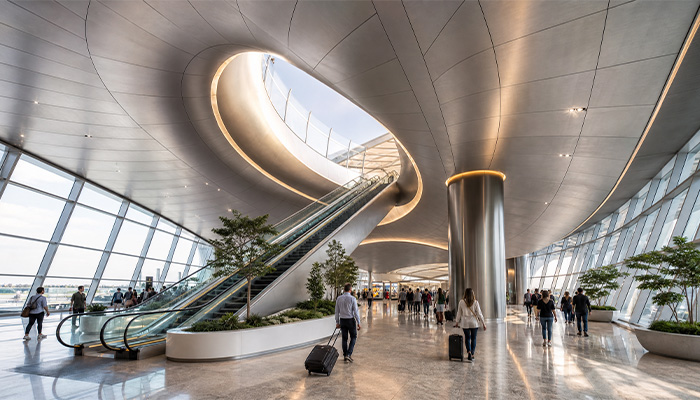
Stadiums, terminals, exhibition halls — structural verification, wind load check.
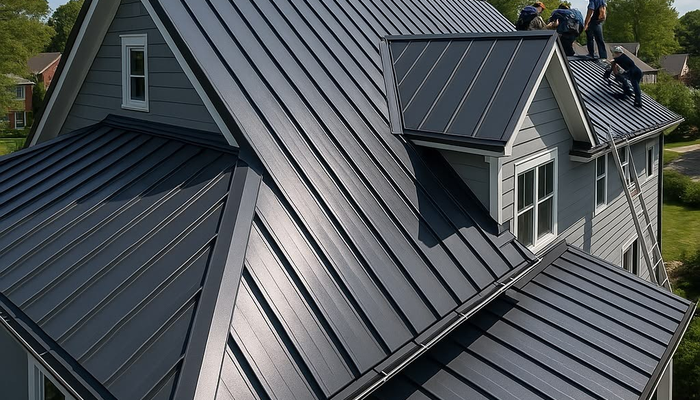
  • Structurally Stable
  • Drainage-Reliable
  • Large Formats, Fewer Seams
  • Lightweight

Metal Facade

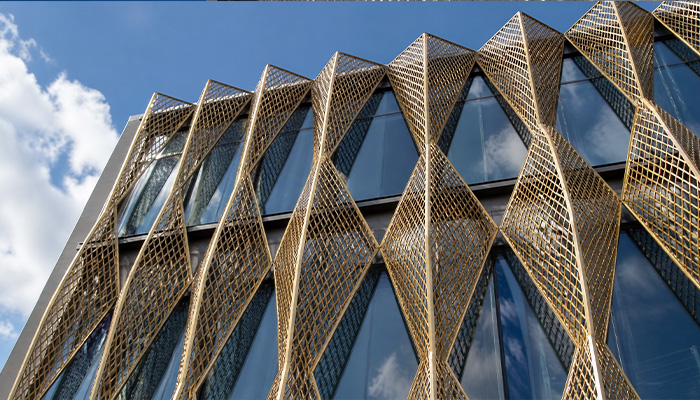
The building's skin: perforated, mesh, grille, flat, embossed, honeycomb — six facade languages for different light and function.

Perforated

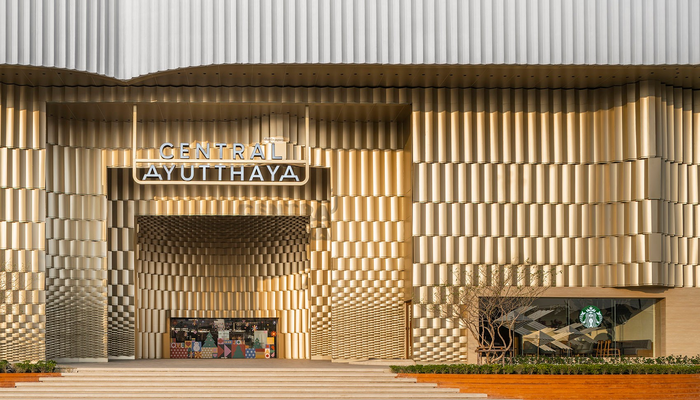
Sun-shading, ventilation + patterns — commercial podiums, cultural buildings.

Expanded Mesh

Lightweight, transparent — atriums, corridors, exterior shading.

Mashrabiya Grille

Geometric sun-shading — hotels, cultural buildings.

Flat Minimal

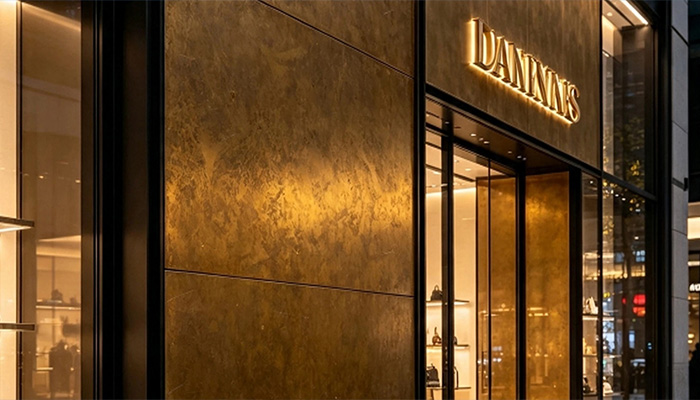
Pure, no color difference — headquarters, museums.

Embossed Textured

Diffuse reflection, anti-glare — high-rise, commercial.

Honeycomb Composite

Large panels, light and flat — high-rise, curved forms.
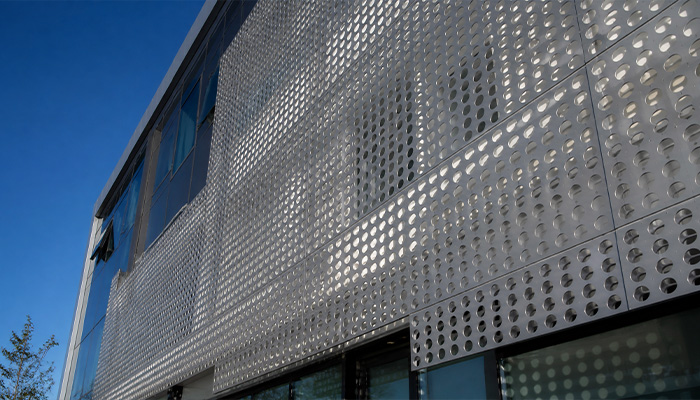
  • DFM Up Front: wind load, drainage, color consistency solved before production

Canopy & Portico

The building's face: flat, cantilevered and curved canopy systems that define first impressions and weather performance.

Flat Canopy

Office buildings, mall entrances — standard finishing, fast sampling.

Cantilevered Canopy

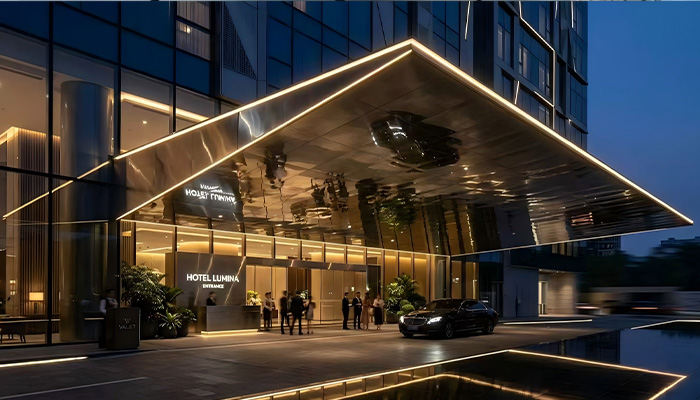
Hotels, landmark entrances — cantilever structural check, drainage upfront.

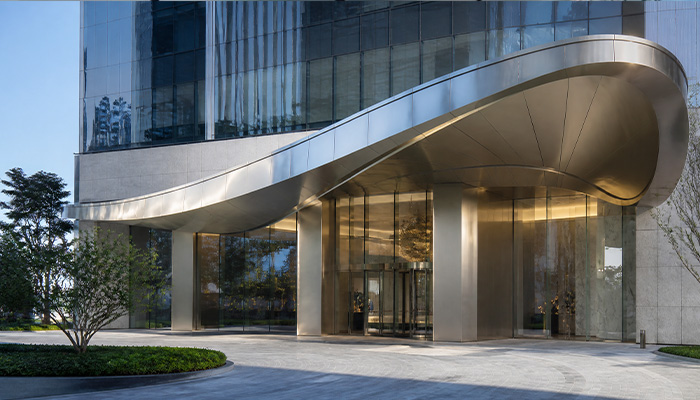
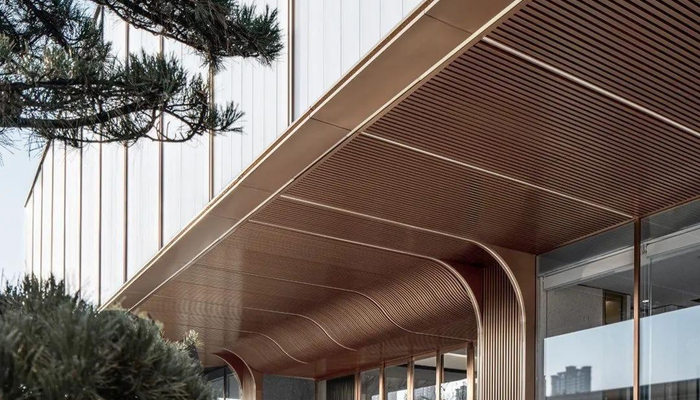
Curved Canopy

Flagship stores, cultural venues — V-Grooving small-radius bending, DFM curved-form development.
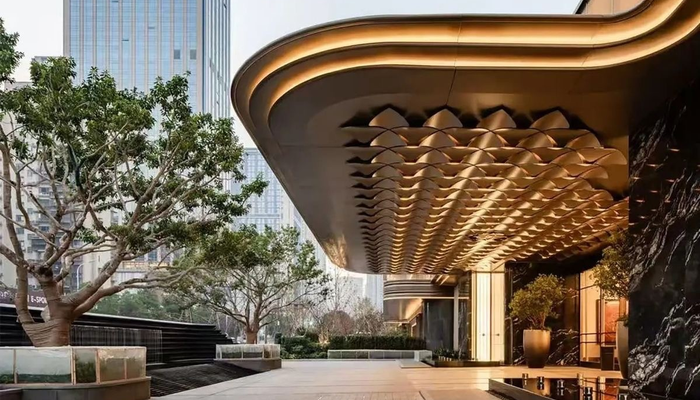
  • Standard Finishing
  • Structural Safety
  • Remote Installation Guidance

MATERIALS & SUBSTRATE

Technical Specifications

For exteriors: 316L for coastal, humid, and de-icing-salt environments; 304 for dry inland. Thickness by structural calculation.
PARAMETERSpecifications
TestingRecommended Grade304 / 316L
Thickness Tolerance±0.01mm
Width Tolerance+0.2mm
Length Tolerance+0.2mm
Color ConsistencyΔE 1.0-1.5 (PVD, batch to batch)
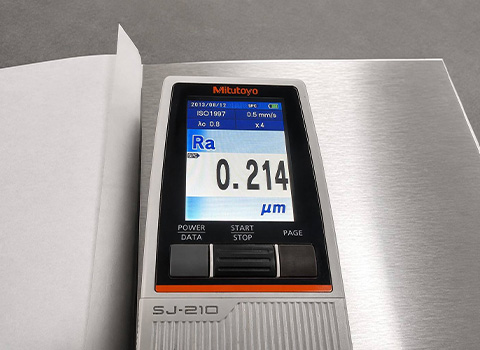
Surface RoughnessRa 0.3μm
SamplingSample in 2 days, ship in 3 days
50MOQ

50 sheets

20Lead time

20 days
7-day fast track

A4Sample

A4 in 3 days
freight at cost

24HQuote

within 24h

Surface & Textures

Surface & Textures

Stainless steel can be refined in endless ways-each finish brings its own character and performance.Pick the application, then the surface.

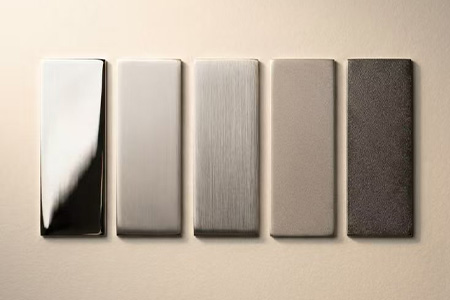
Mirror & Brushed

Different light: mirror photographs, hairline restrains.
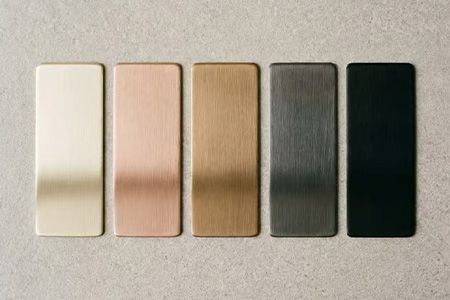
  • Ra 0.3μm precision finish

PVD Color

Champagne gold, titanium black, dozens of colors.
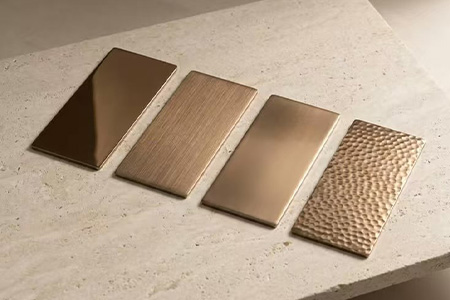
  • Closed-loop ΔE< 1.0

Artistic Textures

Water-ripple, etched, perforated, embossed.
  • Pattern and light synergy

Value & Aesthetics

One Material, Many Textures

a stainless envelope unifies the design language.

Mirror-base Exterior

By day, it's like architectural skin; by night, a canvas of light and shadow.
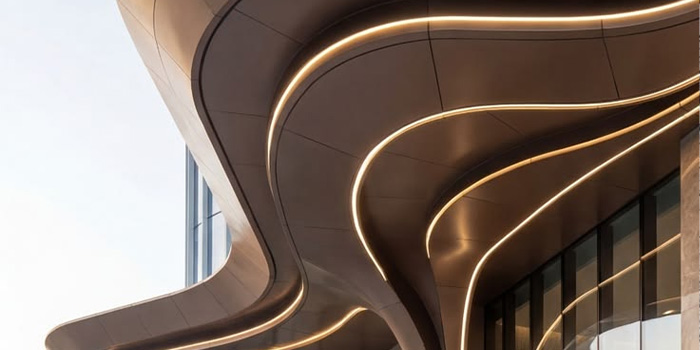
Sandblasted Exterior

Soft, anti-glare finish with refined, even texture.
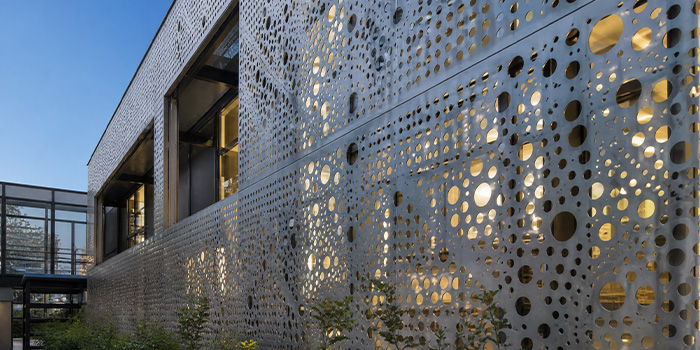
Perforated Exterior

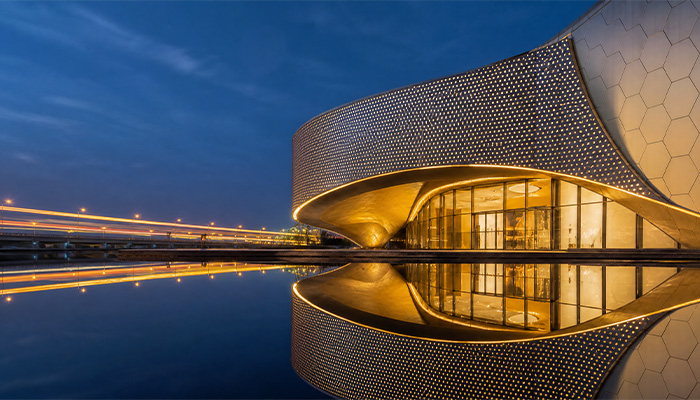
The pattern itself is the branding element, offering both sun protection and ventilation.

FOR EVERY PROJECT ROLE

One Envelope System. Different Value for Every Project Role.

From design decisions and engineering development to procurement and delivery, every project role has different priorities. MetalMagus supports each stakeholder through one integrated material, manufacturing, and quality system — with clear, verifiable standards throughout the project.

For Architects & Owners

  • Focused on architectural metal since 2001
  • Key production processes managed within our own manufacturing system
  • A technical project partner, not just a material supplier

For Facade Consultants & Design Teams

  • DFM upfront: wind load, drainage, and color risks reviewed before production
  • Cross-batch PVD color consistency controlled to ΔE < 1.0
  • Critical tolerances documented and verified against defined project standards

For Procurement Teams & General Contractors

  • Delivered to projects across 60+ countries and regions
  • Material traceability with MTC documentation and outgoing quality inspection
  • Layer-numbered packing for clearer on-site identification and installation
  • Global delivery and remote technical guidance through a single point of coordination

Project Spotlight

Real Projects, Real Material

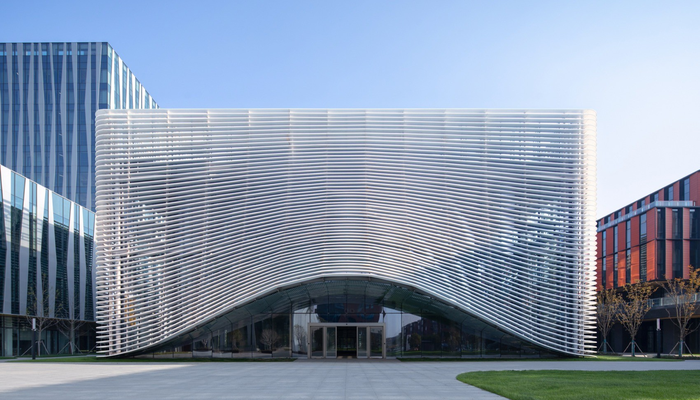
  • Project: Qiantang Riverside Commercial Landmark
  • Location: Hangzhou, China
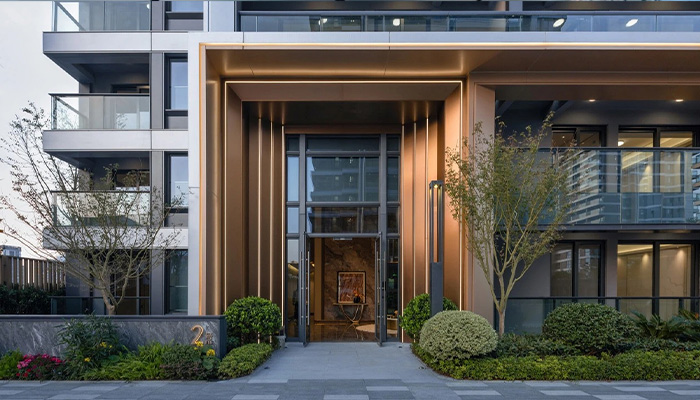
  • Products: Perforated Stainless Facade Panel, Honeycomb Composite Panel, Champagne PVD Entrance Canopy
  • Surface Finish: Champagne-gold PVD, brand-color accent
  • Delivery: 4 months from drawing to delivery · Flatness ±1 mm/2 m
View All Exterior Cases

Contact Us

Start Your Exterior Project with MetalMagus

Response within 24 hours · Free A4 samples in as fast as 3 days (freight excluded)

EXPERT FAQ

Exterior Façade Technical FAQ

  • Is 316L required for coastal facades?
    Not by any code, but it is the professional default within a few kilometres of the sea and in high-pollution zones. 304 pits early in those conditions, and panel replacement on a finished facade costs far more than the grade upgrade.
  • Can I tell 304 and 316L apart by appearance or a magnet?
    No. Both are austenitic and non-magnetic in the annealed condition, and after the same finish they look identical. Grade is verified by mill certificate documentation or by PMI testing, never by eye.
  • How much more expensive is 316L than 304?
    There is no fixed percentage. The premium tracks nickel and molybdenum prices and moves with them. It is real per tonne, but small next to the cost of replacing corroded panels on a completed facade.
  • Can 316L stainless steel rust?
    Yes. No grade is stainless forever. 316L resists chlorides far better than 304, but it still corrodes where chlorides concentrate in crevices, under deposits, or where the passive film is mechanically damaged and never re-forms.
  • When is 304 stainless steel good enough?
    For inland interiors and general atmospheric exposure, 304 is the industry default and fully adequate: elevator interiors, wall cladding, trim, column covers, food-contact and commercial fixtures. Upgrade only when chlorides, salt air or pollution are part of the service environment.
  • What does the "L" in 316L mean?
    L stands for low carbon: 0.03% maximum, against 0.08% in standard 316. The lower carbon prevents chromium carbide precipitation in the weld heat-affected zone, which is what protects welded details from intergranular corrosion.
  • Which is better, 304 or 316L stainless steel?
    Neither is universally better. 316L adds 2-3% molybdenum and caps carbon at 0.03%, raising PREN to about 25 against about 19 for 304, which roughly doubles resistance to chloride pitting. Specify by service environment, not by price.