How to Choose Stainless Steel Surface Finish (2026 Guide)
Sep 1,2026
A stainless steel surface finish is the mill- or factory-applied texture that determines how your project looks, how easy it is to clean, how it resists corrosion, and what it costs — and in practice buyers choose among six standard finish categories (2B, BA, No. 4, HL, No. 8, and specialty or coated finishes) classified under ASTM A480 and EN 10088-2, with typical surface roughness ranging from about 0.05 µm on bright annealed and mirror finishes to roughly 0.8 µm on brushed finishes. Choosing the wrong one is one of the most common reasons buyers end up re-ordering or re-fabricating, often at significant added cost. The short version: match the finish to your application's exposure, aesthetic and budget, and always verify the Ra value against a physical sample before production. This guide explains the standard finish types, their typical Ra ranges, relative cost tiers, and the decision criteria procurement and project teams actually use.
What Is a Stainless Steel Surface Finish?
In technical terms, a surface finish is the result of mechanical or chemical treatment applied to the stainless steel surface to produce a specified roughness, reflectivity, and texture. Finishes are classified in the industry under standardized designations — most commonly ASTM A480/A480M in North America and EN 10088-2 in Europe — each identified by a code such as 2B, BA, No. 4, HL, or No. 8.
For a B2B buyer, four properties of the finish matter in practice:
Appearance — reflectivity, grain direction, and color (which drive the architectural look of the project).
Surface roughness (Ra) — the arithmetic average deviation of the surface profile, measured in micrometers (µm). Lower Ra means smoother, more reflective, and generally easier to clean.
Corrosion and stain resistance — smoother finishes leave fewer micro-sites for contaminants to anchor, which is why low-Ra finishes are specified in food, pharma and coastal environments.
Cost — finer finishes require more processing passes and stricter handling, so cost rises as Ra drops.
Data basis: finish designations follow ASTM A480 and EN 10088-2 classification; Ra values below are typical mill/factory ranges for standard production and must be confirmed against the supplier's inspection report for each batch.
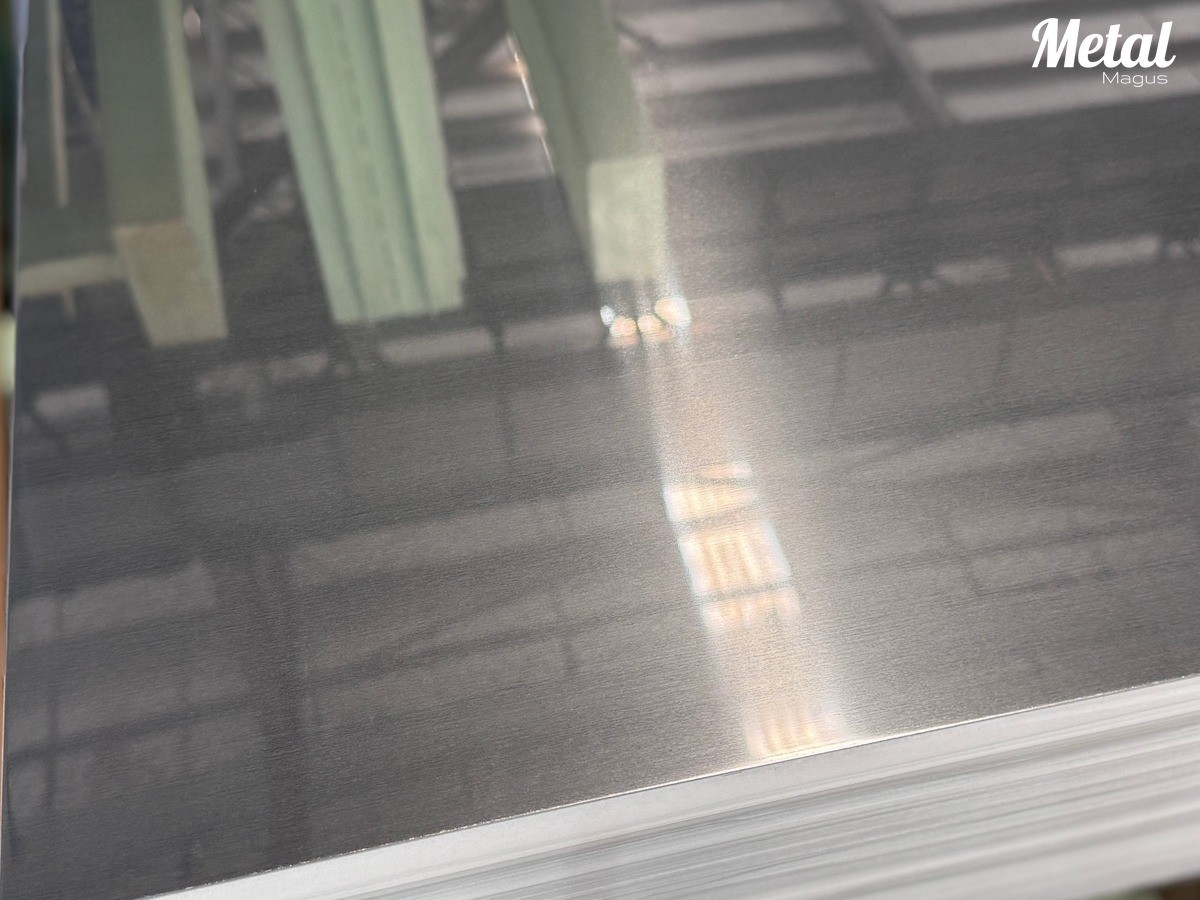
2B is the default commercial finish for cold-rolled stainless steel sheet: bright annealed and then given a light final cold roll pass. It has a smooth, semi-reflective, uniform gray appearance with typical Ra of 0.1–0.5 µm. It is the workhorse finish for industrial equipment, food processing, chemical storage, and any application where a clean, economical surface is required.
Factory photo: 2B sheets in stack, showing the smooth semi-reflective surface and light rolling grain.
BA Finish (Bright Annealed)
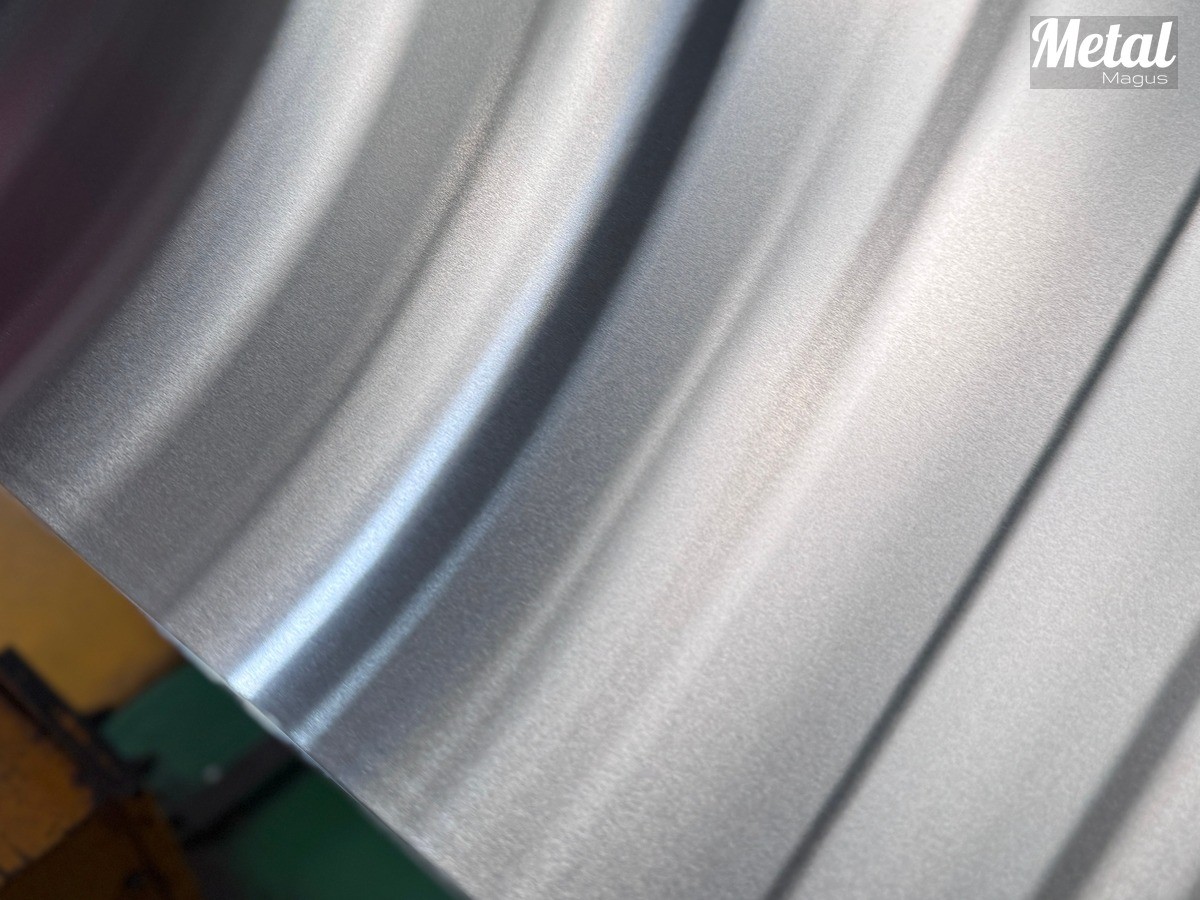
BA is annealed in a controlled atmosphere (bright annealing), producing a highly reflective, mirror-like surface with no mechanical polishing, typical Ra of 0.05–0.2 µm. It is popular for kitchen appliances, elevator interiors, and consumer-facing products where brightness matters but mirror-polish cost is not justified.
BA finish sample: bright-annealed stainless steel with a uniform, bright metallic sheen — produced by annealing rather than mechanical polishing.
No. 4 Finish (Brushed)
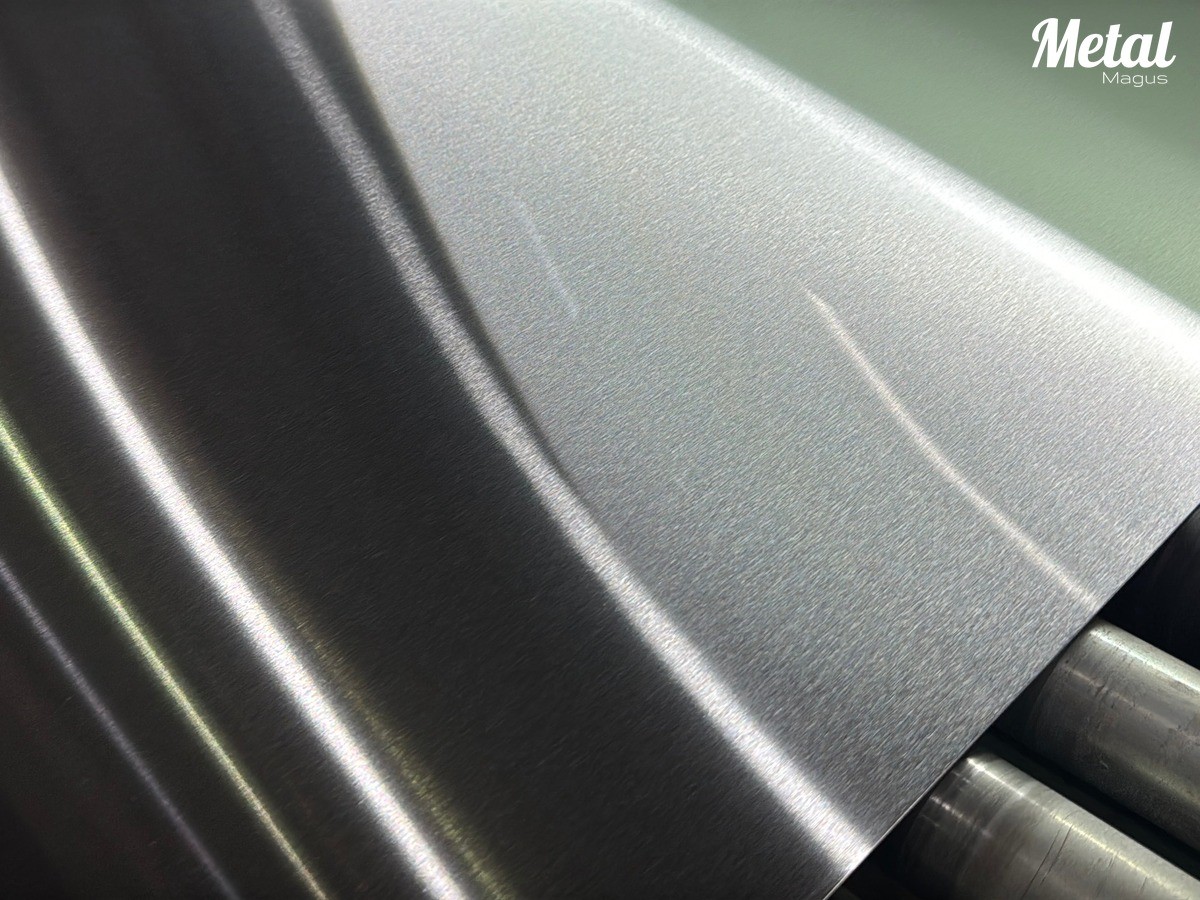
No. 4 is a mechanically polished finish with a uniform short grain, typical Ra of 0.2–0.8 µm. It is the most widely specified architectural finish — restaurant equipment, handrails, and building interiors — because it hides fingerprints better than mirror finishes and cleans easily.
Factory photo: No.4 brushed sheet running on our production line.
Hairline (HL) Finish
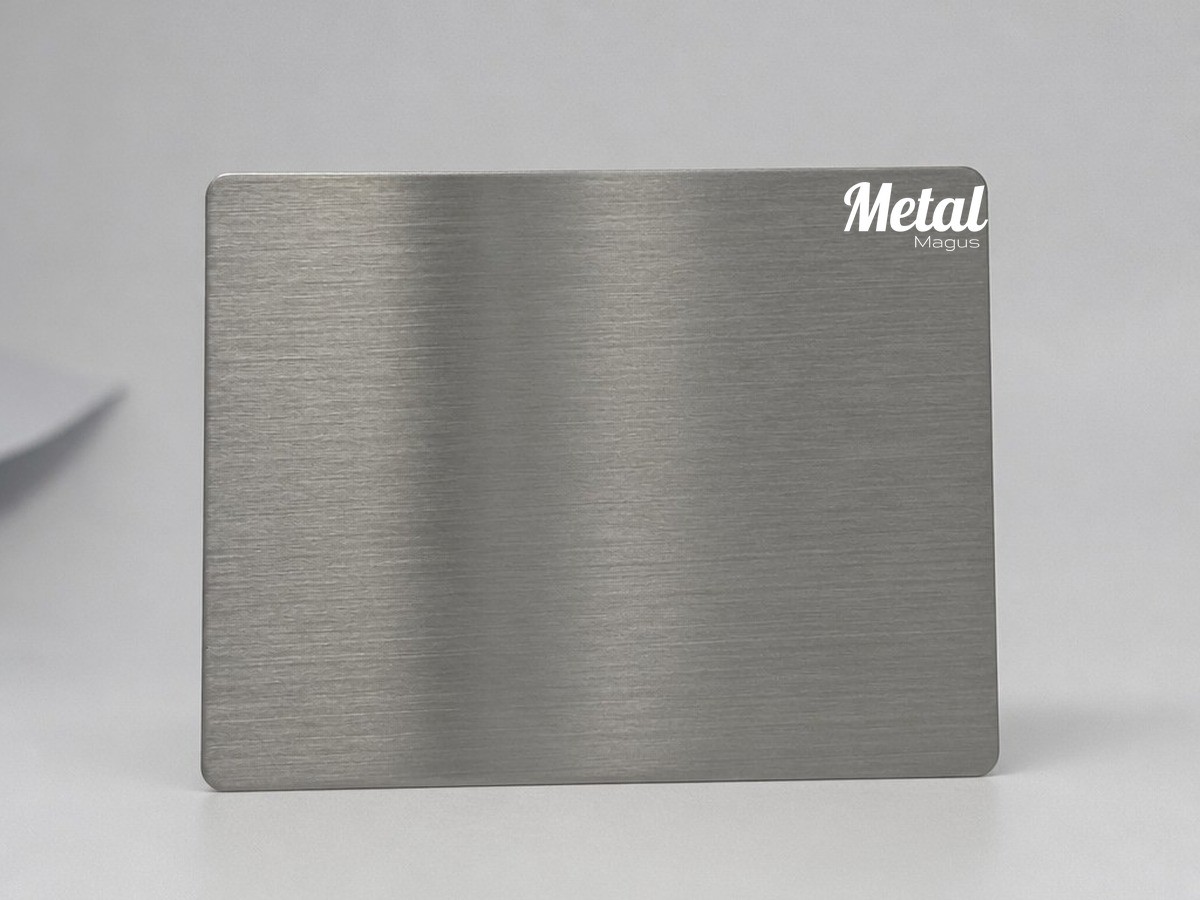
Hairline produces a long, continuous, fine brush line by abrasive belt polishing, typical Ra of 0.2–0.8 µm. It is preferred for vertical architectural applications — elevator doors, wall panels, and decorative trim — where a consistent linear grain across panels is the design intent.
Sample: HL hairline finish — long continuous fine grain.
Mirror Finish (No. 8)
Mirror (No. 8) is a polished, buffed finish with high reflectivity and virtually no visible grain, typical Ra of ≤0.1 µm (often 0.05–0.1 µm in production). It is specified for decorative features, columns, signage and premium interiors. Mirror finishes demand careful handling — every fingerprint and scratch is visible — which is one reason fabricated mirror panels cost significantly more.
8K mirror finish reflects its surroundings with near-perfect clarity — a sharp reflection is the fastest visual check of mirror quality.
Specialty & Coated Finishes
Beyond mill finishes, suppliers offer specialty treatments that change both appearance and performance:
PVD Coating
PVD coating is a thin, hard decorative layer (gold, black, rose gold, champagne, etc.) applied over the base finish. PVD is more wear- and corrosion-resistant than electroplating and is common for elevator panels, hardware, and architectural accents.
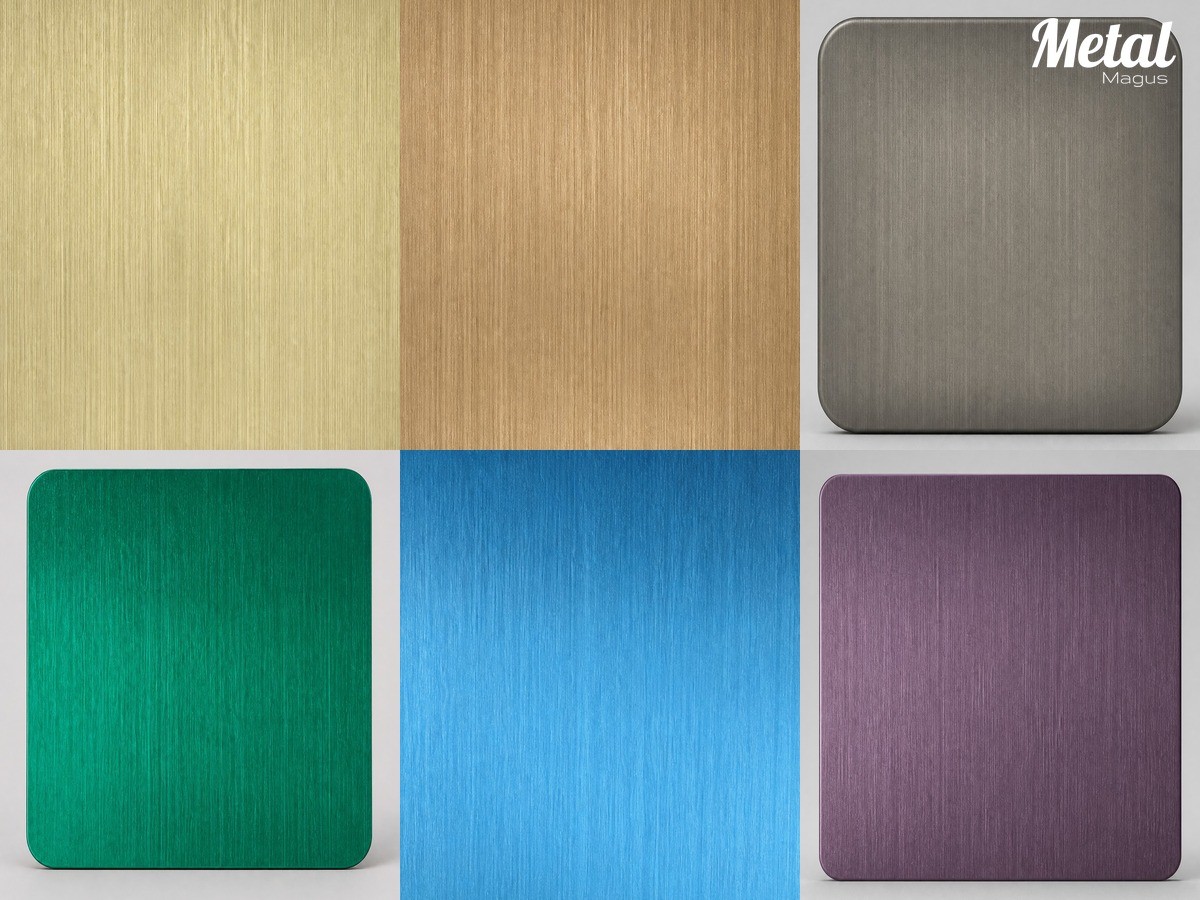
PVD color options: champagne gold, rose gold, red bronze, emerald green, sky blue, and purple red — a popular palette for architectural stainless steel.
Sandblasted / Bead-blasted
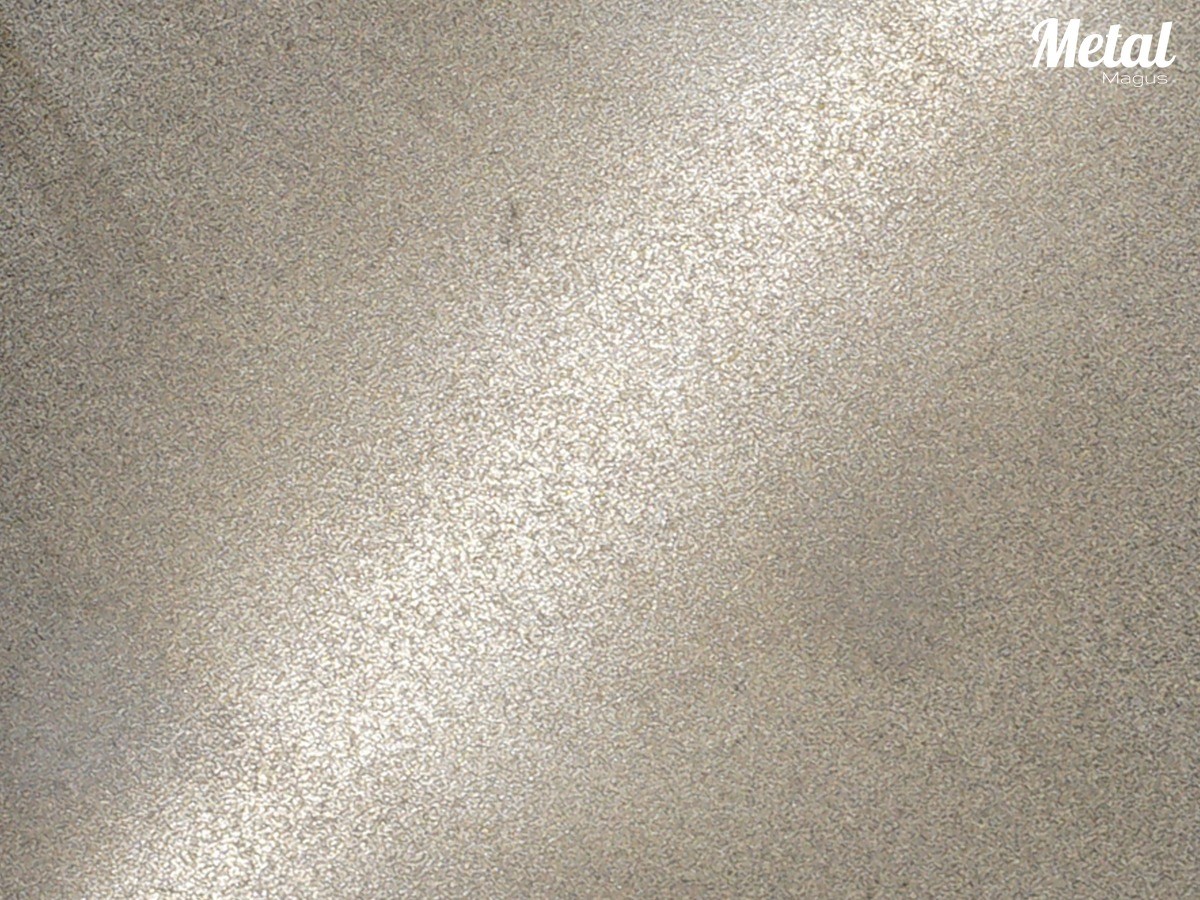
Sandblasting produces a matte, uniform texture that hides fingerprints and reflects light softly; it is used for facade panels and design accents.
Sandblasted finish sample: uniform matte texture that hides fingerprints and reflects light softly — a common choice for facade panels.
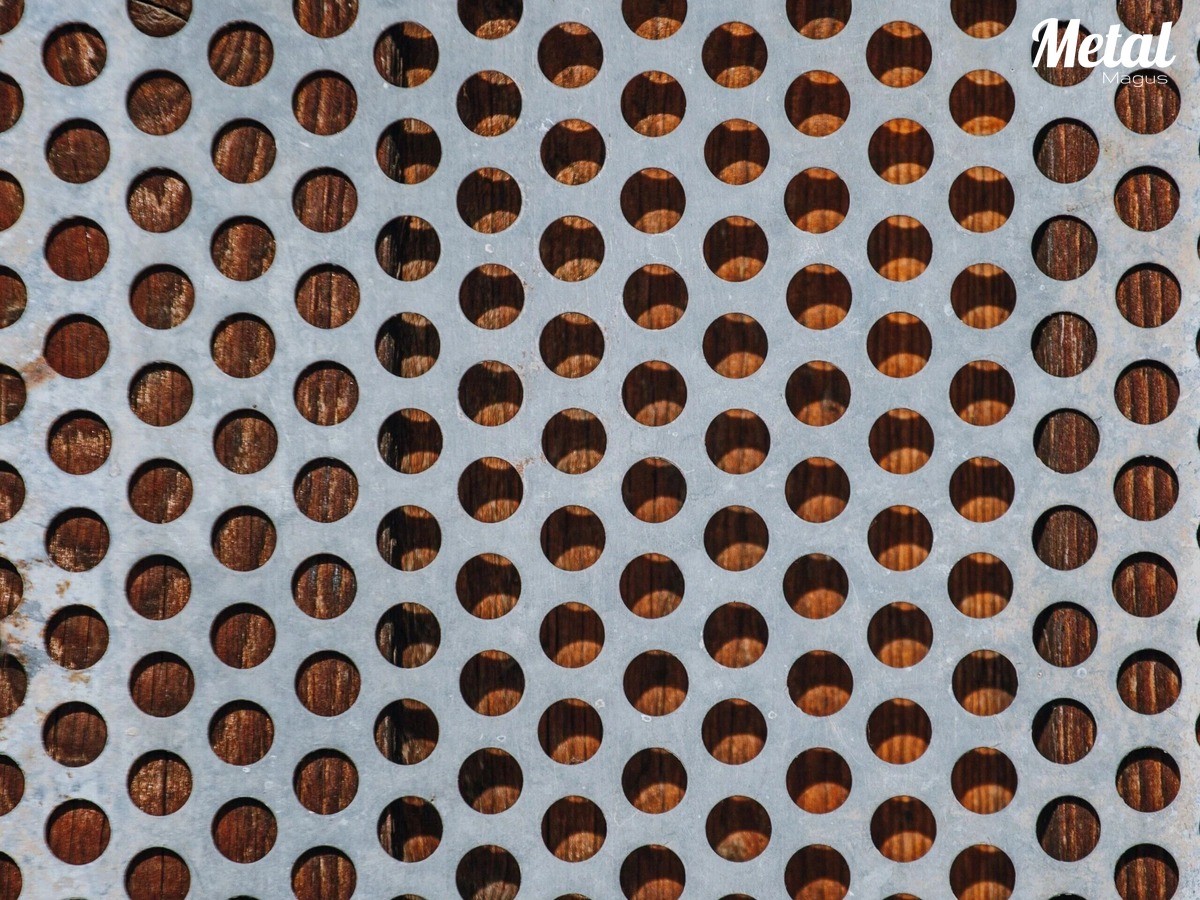
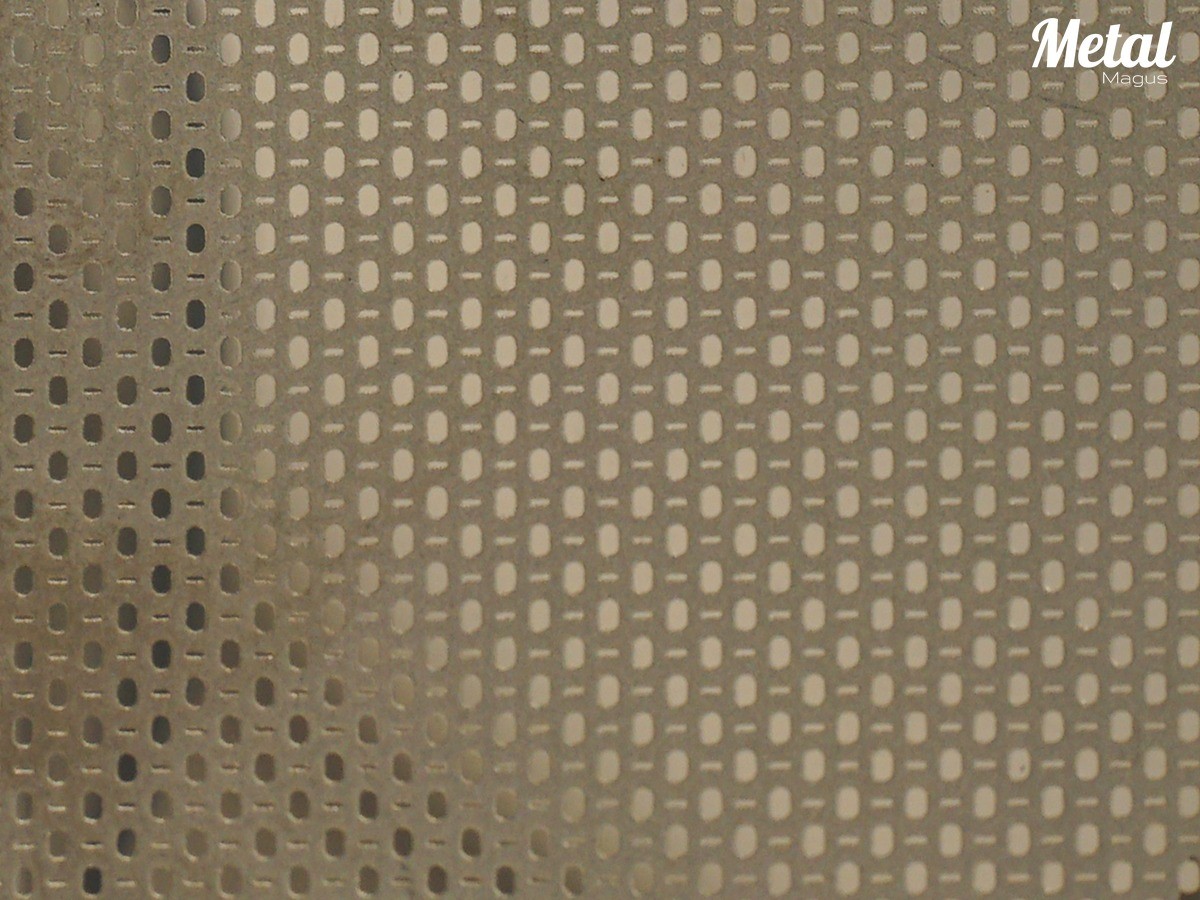
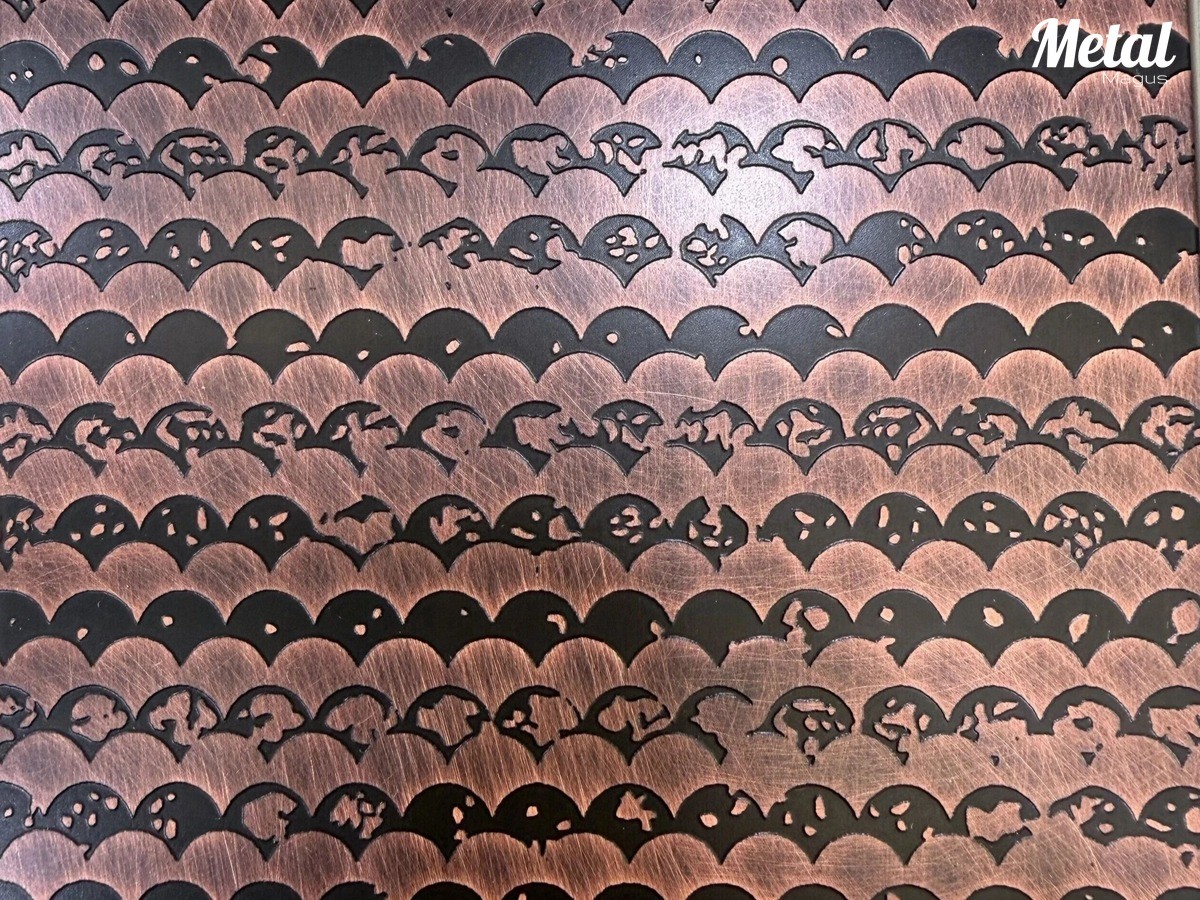
Perforated stainless steel sample: round-hole pattern in a staggered (60°) arrangement — a classic choice for screens, partitions, and facade cladding.Embossed stainless steel sample: capsule relief pattern pressed into the sheet — adds texture, grip, and visual depth to decorative panels.Etched stainless steel sample: chemically etched recessed pattern with a PVD bronze tone — a popular combination for decorative panels and feature walls.
Finish Comparison Table
Finish
Typical Ra (µm)
Appearance
Best For
Relative Cost
2B
0.1–0.5
Smooth, semi-reflective, uniform gray
Industrial, food processing, general fabrication
$ (base)
BA
0.05–0.2
Bright, mirror-like, no visible grain
Appliances, elevator interiors, consumer products
$–$$
No. 4
0.2–0.8
Uniform short grain, brushed
Handrails, restaurant equipment, interiors
$$
Hairline (HL)
0.2–0.8
Long continuous fine grain
Elevator doors, wall panels, decorative trim
$$
Mirror (No. 8)
≤0.1
High reflectivity, no grain
Columns, signage, premium interiors
$$$
PVD over base
depends on base finish
Decorative colors: gold, black, rose gold etc
Elevator panels, hardware, accents
$$$
Ra values are typical production ranges based on ASTM A480 / EN 10088-2 finish categories; final values depend on mill, batch, and fabrication, so confirm against the supplier's inspection certificate. Cost tiers are relative comparisons only — request current pricing from your supplier.
How to Choose: 5 Key Decision Factors
1. Application Environment
Where will the finished material live? For exterior facades and coastal locations, prioritize corrosion resistance of the grade (e.g., 316) and a finish that sheds contaminants — matte specialty finishes such as sandblasting, PVD color coatings, or embossed patterns are common choices. For interior architectural surfaces, appearance dominates: BA, No. 4, HL or mirror. For food and pharma contact surfaces, low-Ra finishes (2B or finer) are preferred because they are easier to sanitize.
2. Aesthetic Intent
Decide the visual language first: bright and reflective (BA, mirror), brushed and understated (No. 4, HL), or colored (PVD). If multiple panels sit side by side, grain direction consistency matters — specify it on the drawing, especially for HL and No. 4.
3. Cleanability and Maintenance
Smoother finishes are easier to clean but show fingerprints and scratches more. If the surface will be touched frequently (elevator interiors, handrails), a brushed finish (No. 4 or HL) hides marks far better than mirror. If the project is outdoors, ask the supplier for anti-fingerprint or nano-coating options.
4. Fabrication and Forming
The finish must survive fabrication. Deep-drawn or heavily formed parts are usually finished after forming, while flat panels can be supplied pre-finished. Welded assemblies need post-weld blending — a No. 4 or HL finish is far easier to blend after welding than a mirror finish. Discuss your fabrication process with the supplier before locking the finish spec.
5. Budget and Lead Time
Finer finishes and PVD add cost and lead time. If the budget is tight, 2B or BA from stock is the fastest, lowest-cost option; mirror and PVD require additional processing capacity. Get the cost tier confirmed in writing, including what the price covers (surface only, or surface plus protective film and packaging).
Finish Selection by Application
Application
Recommended Finish(s)
Why
Building facades / curtain walls
PVD colors, sandblasted, embossed
Decorative color options, matte low-glare finish, textured patterns
Elevator panels & interiors
BA, HL, PVD colors
Bright or premium look, fingerprint resistance
Handrails & balustrades
No. 4, HL
Brushed texture hides touch marks
Kitchen & food processing
2B, BA, No. 4
Smooth, easy to clean, hygienic
Restaurant & retail interiors
No. 4, mirror accents
Balance of durability and visual impact
Architectural columns & signage
Mirror (No. 8), PVD
High-impact reflective look
Decorative screens & partitions
Perforated, embossed, etched
Pattern and texture as design element
Cost Considerations
As a rule of thumb, cost rises as Ra drops and as processing steps increase:
2B / BA — lowest cost; mill-standard, available from stock.
Mirror (No. 8) — multiple polishing and buffing passes plus careful handling; the highest cost among standard finishes.
PVD — adds a coating process on top of the base finish; cost depends on color and batch size.
These are relative tiers, not price quotes. Stainless pricing also moves with nickel and alloy surcharges, so always request a current quotation. For exact per-sheet pricing for your specification, please confirm with our sales team.
Quality Control: What to Check Before You Order
Request a physical sample — never approve a finish from a photo. Sample panels should match the final production route (same mill, same polishing line if possible).
Check the Ra value on the inspection report — standard production normally includes a surface roughness measurement; ask for the certificate if it is not standard.
Verify grain direction — for HL and No. 4, agree on grain direction (longitudinal vs transverse) and mark it on drawings.
Confirm protective film — most decorative finishes ship with protective film to prevent scratching in transit and handling; confirm film type and removal instructions.
Ask about touch-up and repair — for welded or fabricated parts, confirm how the finish will be blended and what the acceptance criteria are.
Frequently Asked Questions
What is the most common stainless steel finish?
2B is the most common mill finish and the default for cold-rolled sheet. For architectural and decorative applications, No. 4 is the most widely specified brushed finish.
What is the difference between 2B and BA finish?
Both are smooth mill finishes. 2B gets a light final cold-roll pass after bright annealing, giving a semi-reflective gray look (typical Ra 0.1–0.5 µm). BA is bright-annealed only, giving a more reflective, mirror-like surface (typical Ra 0.05–0.2 µm). BA is generally slightly brighter and often preferred for visible consumer-facing surfaces.
What Ra value do I need for a mirror finish?
Mirror (No. 8) finishes typically measure Ra ≤0.1 µm in production. Confirm the target Ra with your supplier, as it affects both appearance and cost.
What's the difference between sandblasted and brushed (No. 4) stainless steel?
Brushed finishes (No. 4, HL) have a directional grain and a semi-reflective sheen, so panels must be installed with the grain running consistently across the facade. Sandblasting creates a uniform matte texture with no direction — it hides fingerprints better and reflects less glare, which is why large facade areas often specify it. Pick brushed for detail work such as handrails and trim, or sandblasted for large panels and low-glare facades.
Is No. 4 or hairline finish better for handrails?
Both work well. No. 4 has a shorter, more uniform grain; hairline (HL) has a longer continuous grain. The choice is aesthetic — order a sample of each and decide against your railing design and lighting conditions.
Does PVD coating change the surface finish?
PVD is applied over a base finish, so the substrate's smoothness and grain still show through. For a colored mirror effect, PVD over a mirror-polished base is used; for a colored brushed look, PVD over No. 4 or HL. Specify both the base finish and the PVD color.
How do I verify the finish quality of my order?
Check the inspection report for Ra values, compare panels against the approved sample, and inspect grain direction and protective film on arrival. For high-value architectural projects, a pre-shipment inspection is recommended.
How much does a custom surface finish cost?
Cost depends on finish type, Ra target, sheet size, quantity, and current alloy prices. As a guide, mirror and PVD are the highest-cost options among standard finishes, but exact pricing should be confirmed with our sales team for your specific specification.
Get a Quote
Choosing the right finish is a balance of application, appearance and budget — and the fastest way to get it right is to talk to a supplier who can send physical samples and inspection data. Contact our sales team with your application, sheet size, quantity, and target finish, and we will confirm availability, Ra ranges, and lead time for your project.
Specifications in this article are based on industry-standard finish classifications (ASTM A480, EN 10088-2) and typical production values; final surface roughness and appearance should always be verified against the supplier's inspection report and approved samples.