
What are the specific advantages of oil-brushed finish compared to dry brushing?
Oil brushing produces longer continuous grain lines, reduces heat damage during processing and improves rust resistance. The surface luster appears richer and more moist, and the finished surface is less prone to contamination.
Oil brushing uses a lubricated abrasive head, which produces a finer and more uniform scratch pattern than dry brushing. The visible result is a softer sheen and a surface that shows handling marks less than a coarser dry-brushed finish. The grain is also more consistent across a production run, because the lubricant keeps the abrasive cutting evenly.
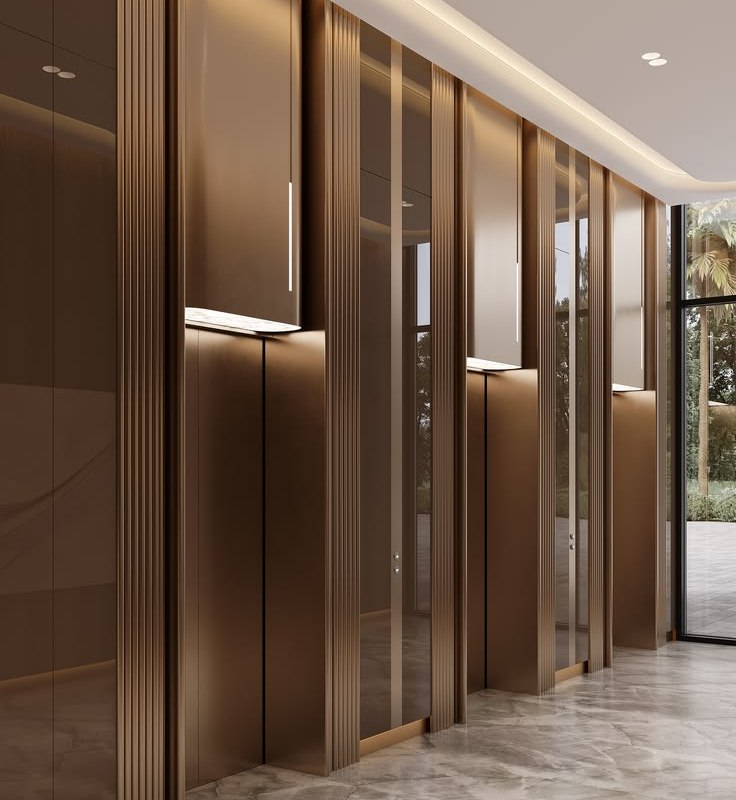
The trade-off is cost and discipline: oil-brushed panels have to be cleaned of residue properly before packing, otherwise the surface can look patchy when it is unwrapped on site. Where a project wants a quiet, even surface at distance, oil brushing is usually the right call; where a more visible grain is wanted, dry brushing gives it more directly. See the surfaces collection.
Are you looking for a reliable manufacturer?
We can quickly provide customers with market analysis, technical support and customized services.